
Commercial Tire Service
Tire Help for Work Vehicles, Where They Sit
A flat on a work van costs more than the tire. Call Emergency Mobile Tire Repair with the vehicle, the tire size, and where it stopped. Pickups, work vans, and light trucks are confirmed. Box trucks, duals, and heavier vehicles get a yes or no on the call before anyone rolls.
- Confirmed: pickups, work vans, and light trucks, depending on tire size and availability
- Trailers where available. Box trucks, duals, and heavier: ask on the call
- Job sites, yards, lots, and highway shoulders where it is safe to stop
What this service is
What Commercial Tire Service Covers
Commercial tire service means a technician comes to the work vehicle and handles the tire where it sits. For pickups, work vans, and light trucks, that is the same repair, spare, or replacement help we offer any driver. Trailer tires are handled where available.
Heavier vehicles are a different question. Box trucks, cutaway vans with dual rear wheels, and anything on commercial wheels can need equipment a light-duty mobile unit does not carry. We do not guess. Call with the vehicle and tire size, and we tell you yes, no, or who to call instead.
Repair availability depends on tire condition, damage location, tire size, and safety. If the tire cannot be safely repaired, we help with the next best option. We explain pricing before any work begins. Quotes are estimates until the technician sees the tire. Outside our normal range? Call anyway. We may make an exception or point you to the right help.
Why work vehicles call
Why a Work Vehicle Calls Instead of Waiting on a Tow
The vehicle stays on the job
A van at the shop is a crew that cannot work. A tread repair or spare swap at the site keeps the vehicle where the work is, when the tire allows it.
Downtime handled where it happens
Job site, yard, delivery lot, or shoulder. We come to where the vehicle stopped.
A yes or no before anyone rolls
Heavier vehicles are confirmed on the call. If the answer is no, you hear it now, with a pointer to the right help.
Load changes the decision
A loaded truck sits harder on its tires and jack points. We ask what it carries, and we say so if unloading or a tow is safer.
By vehicle type
Commercial Tire Help by Vehicle
Trucks, from pickups up
Where the line sits between a light truck we handle and a medium truck that needs a call first.
Learn moreBox trucks and cutaway vans
Dual rear wheels, 19.5-inch wheels on many, and loading dock flats. Call first.
Learn moreSemi-trucks
Usually heavier equipment than a light-duty unit carries. We say so plainly.
Learn moreTrailers
Utility, cargo, and equipment trailers, where available. Send a sidewall photo.
Learn moreRVs and motorhomes
Tire age and weight decide most RV tire calls.
Learn moreForklifts
Press-on and pneumatic forklift tires are shop work on most units.
Learn moreFleets
Several vehicles, one number. What to keep on file before the first flat.
Learn more
How it works
From the Call to the Vehicle Moving Again
- 01
Call with the vehicle, the size, and the load
Make, model, and what it does. Tire size from the sidewall. Loaded or empty. Where it stopped.
- 02
We confirm what we can do
Light trucks are usually a yes, depending on tire size and availability. Duals and heavier vehicles get an honest answer, with an ETA when a technician is available.
- 03
We come to the vehicle
Get fully off the travel lanes, hazards on. On a job site, clear a space on firm, level ground.
- 04
Repair, spare, or replacement, then pressure
The technician inspects the tire and explains the options and the cost before any work. Pressure goes to the placard before the vehicle moves.
Decide
Mobile Service, Tow, or Swap the Spare Yourself?
| Criteria | Mobile service on site | Tow to a shop | Swap the spare and drive in |
|---|---|---|---|
| When it fits | Pickup, van, light truck, or trailer, depending on tire size and availability | Duals or commercial wheels we cannot handle, or wheel and hub damage | The vehicle carries a usable spare and jack, and the stop is safe to work in |
| What downtime looks like | The vehicle stays on site while the technician works | The vehicle leaves the job, waits at the shop, and needs a trip back | The driver's time to swap, then a shop visit for the flat |
| What moves the cost | Tire size, load, distance, and after-hours timing | Tow distance, truck class, and shop wait | Shop labor, plus the driver's time off the job |
When it fits
- Mobile service on site
- Pickup, van, light truck, or trailer, depending on tire size and availability
- Tow to a shop
- Duals or commercial wheels we cannot handle, or wheel and hub damage
- Swap the spare and drive in
- The vehicle carries a usable spare and jack, and the stop is safe to work in
What downtime looks like
- Mobile service on site
- The vehicle stays on site while the technician works
- Tow to a shop
- The vehicle leaves the job, waits at the shop, and needs a trip back
- Swap the spare and drive in
- The driver's time to swap, then a shop visit for the flat
What moves the cost
- Mobile service on site
- Tire size, load, distance, and after-hours timing
- Tow to a shop
- Tow distance, truck class, and shop wait
- Swap the spare and drive in
- Shop labor, plus the driver's time off the job
Know before you call
What to Tell Us Before Anyone Rolls
The vehicle and the tire size
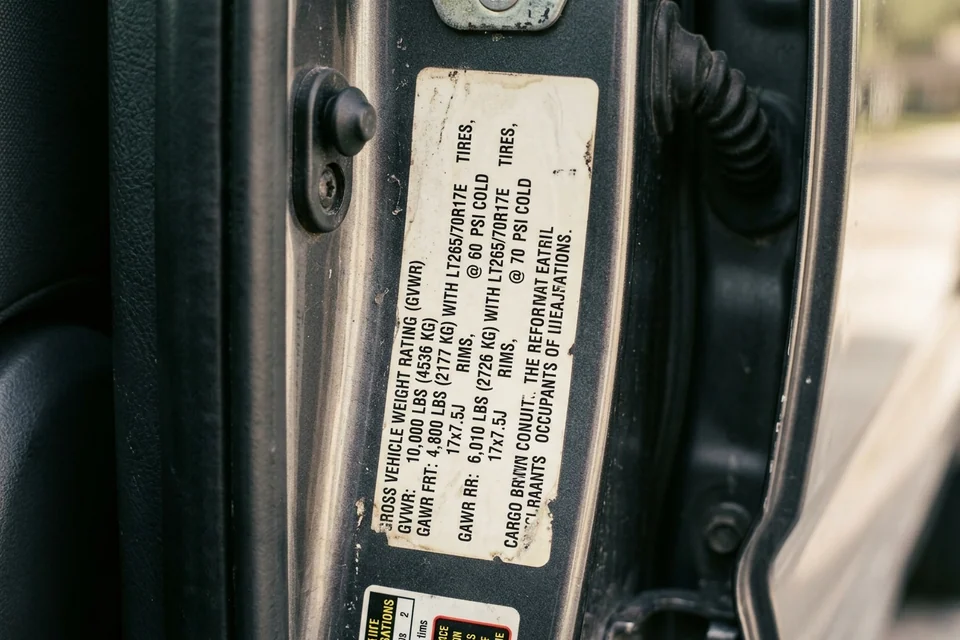
A half-ton pickup and a cutaway van with duals look alike on a form and are very different jobs. If you do not know the class, read the door jamb placard. It lists the gross vehicle weight rating and the tire sizes. The size is also printed on the sidewall. Light truck tires start with LT. Some vans and box trucks ride on 19.5-inch commercial tires, a different wheel and a different job.
Loaded or empty
A loaded truck needs a jack rated for the weight, firm ground under it, and a replacement tire that can carry the load. Sometimes the safe answer is to unload first, or to tow.
Where it stopped
- Job site or yard: a space on firm, level ground away from equipment traffic. Tell us the gate
- Highway: fully off the travel lanes, hazards on, stand away from traffic
- Narrow shoulder or heavy traffic: say so. A tow may be the safer answer
Confirmed, ask on the call, or referral
- Confirmed: cars, SUVs, pickups, vans, light trucks, and trailers, depending on tire size and availability
- Ask on the call: box trucks, cutaway vans with dual rear wheels, and medium-duty trucks
- Likely a referral: semi-trucks, forklifts, and large motorhomes. We tell you yes or no and point you to the right help
Our published hours are on the contact page. After-hours calls are answered depending on technician availability.
Questions drivers ask
Commercial Tire Service Questions
Do you service SUVs, trucks, or trailers?
Yes. Cars, SUVs, pickups, vans, light trucks, and trailers, depending on tire size and availability. Box trucks, duals, and heavier trucks are confirmed on the call before anyone rolls.
Can you handle a truck with dual rear wheels?
Ask on the call. Duals and 19.5-inch commercial wheels can need equipment a light-duty mobile unit does not carry. We confirm before dispatching.
Do prices change after hours?
After-hours and long-distance jobs may vary. We explain pricing before work begins.
Keep reading
Related Services and Pages
- All mobile tire servicesFlats, replacement, spares, and the roadside extras.
- Truck tire repairLight trucks we handle, and where heavier trucks need a call.
- Box truck tire repairDuals, 19.5-inch wheels, and loading dock flats.
- Trailer tire assistanceTrailers, where available.
- RV tire serviceAge and weight decide most motorhome calls.
- Forklift tiresWhy most forklift tire work is shop work.
- Fleet tire serviceWhat to keep on file before the first flat.
- Check your service areaEnter a ZIP or city to see if we cover you.
Work Vehicle Down? Call Before You Decide
Call Emergency Mobile Tire Repair at (352) 531-6319 with the vehicle, the tire size, and the load. We tell you what we can do before anyone rolls.
(352) 531-6319